

Three Ways to Build With Roots Africa.


Our recognition of our three pillars partners at Gulu University highlighted what makes our progress possible: individuals driven by belief and institutions driven by investment
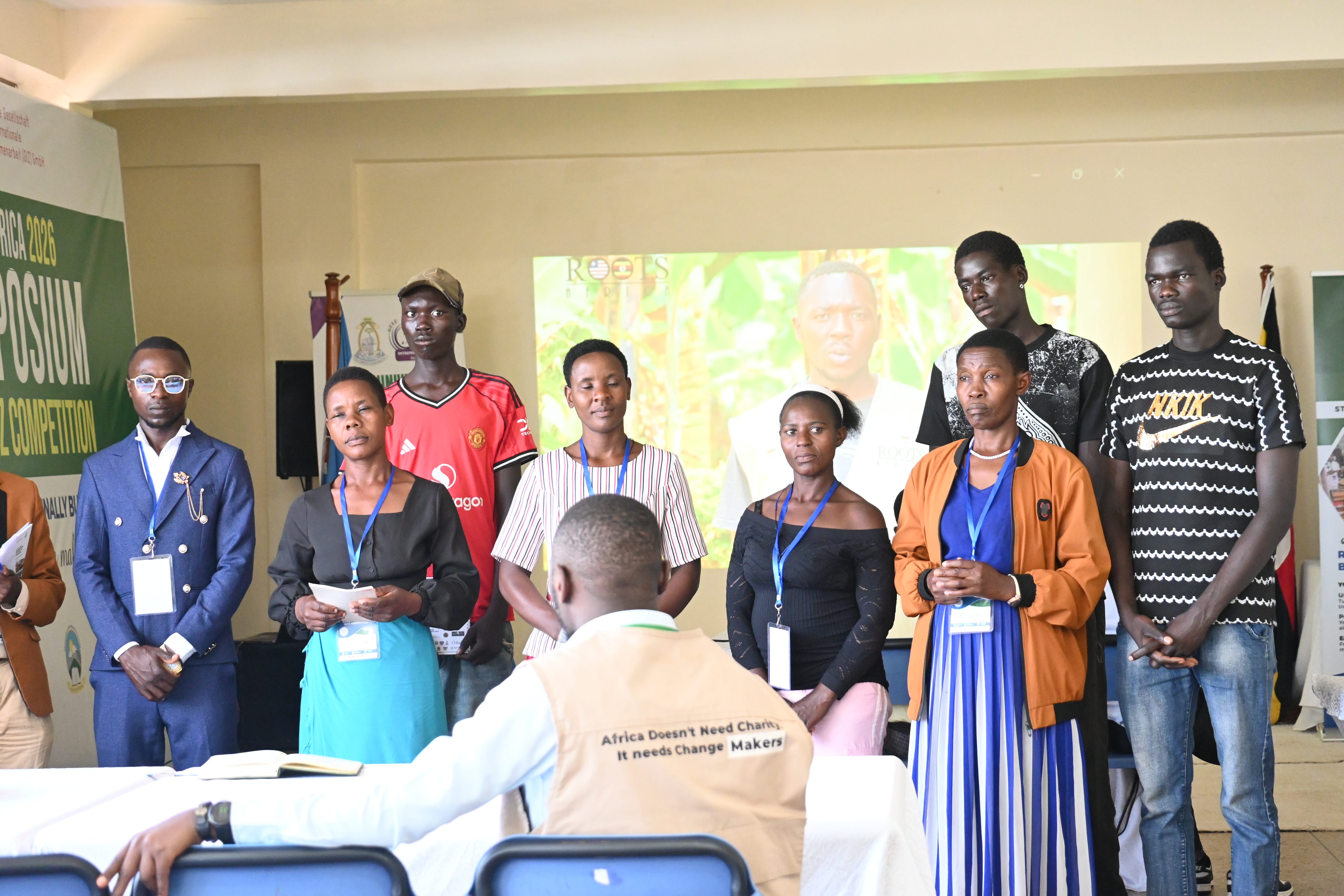
At our 2026 Annual Symposium, we recognized Dave Pearce for five years of mentorship and distinguished service, the 2020 Farmers Cooperative as our 2026 Partner of the Year and the communities we serve as the back bone of all we do.
They represent two different kinds of partnership.
And both have helped make Roots Africa possible.
1. One person can move a mission further than they realize.
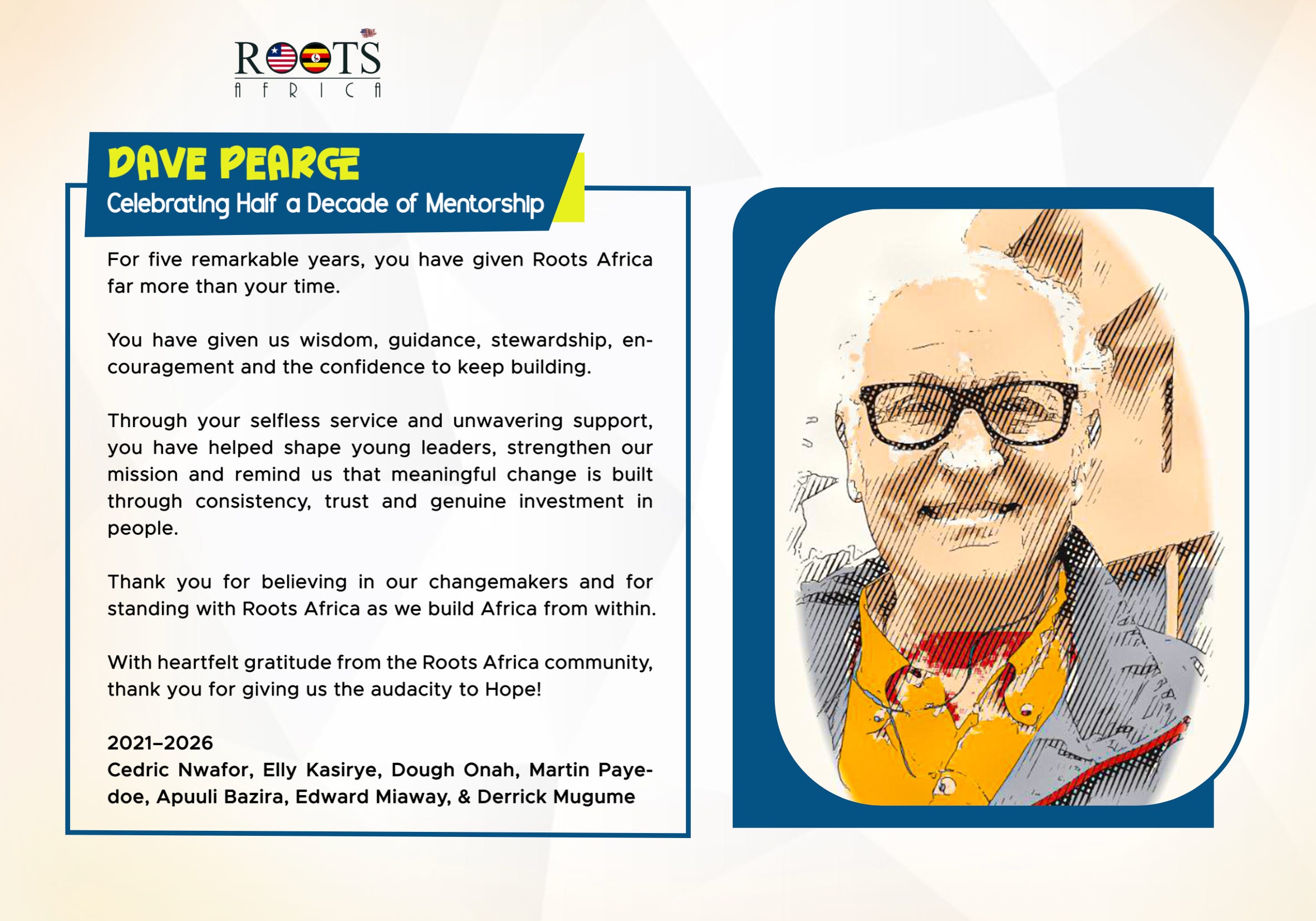
For five years, Dave has supported Roots Africa not only financially, but with something equally difficult to replace: his time, experience, network, and consistency.
He mentors our changemakers. He participates in trainings. He joins us in the field. He asks difficult questions. He opens doors. He recommends Roots Africa to people in his network. And year after year, he continues to show up.
That matters.
Small and mid-sized individual contributions, given consistently, allow organizations like ours to do the unglamorous work between major events: train young people, support mentors, visit communities, test ideas, collect data, keep programs running and respond when a changemaker needs help.
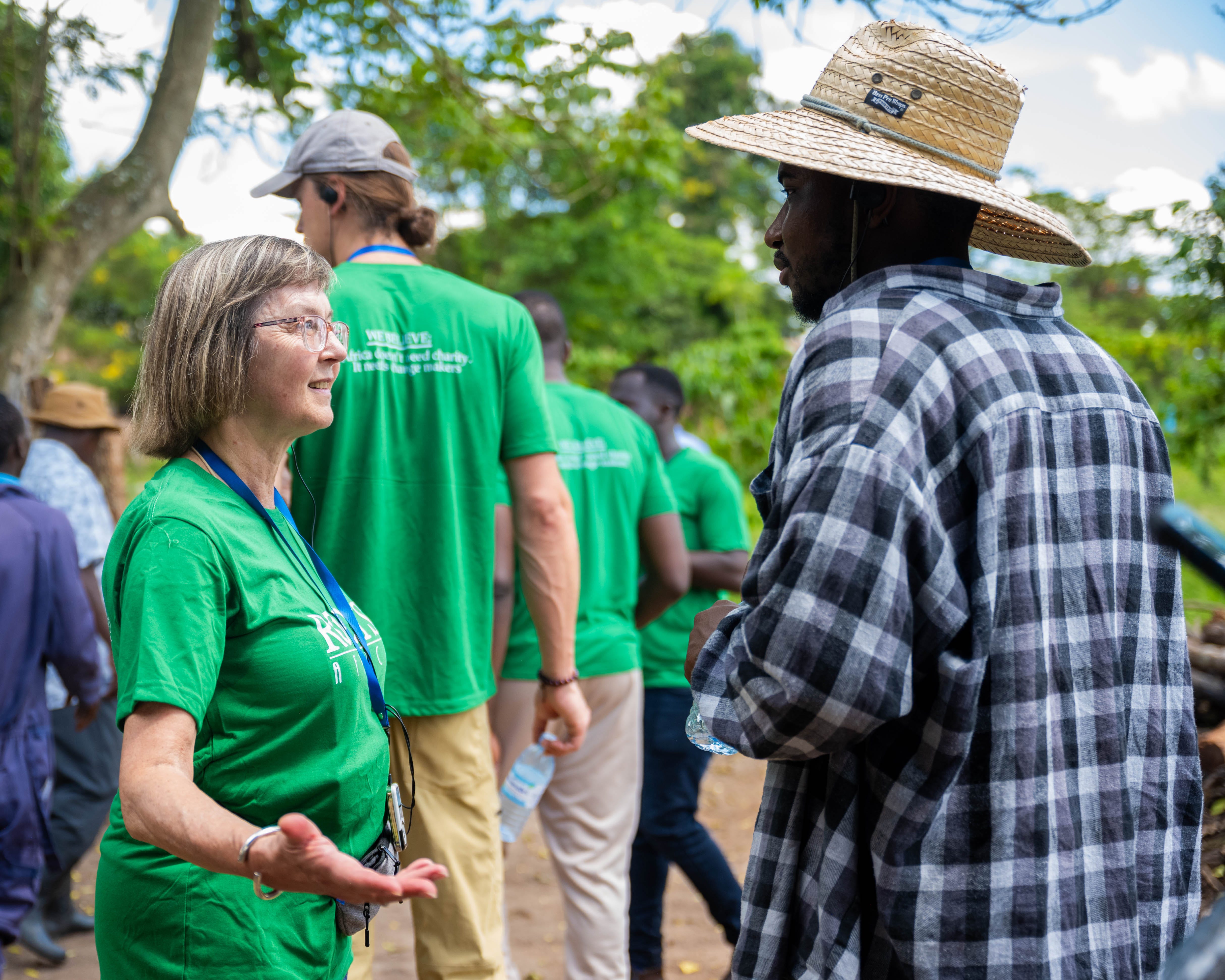
But supporting Roots Africa does not have to begin with a large cheque.
You can give monthly.
You can give annually.
You can sponsor one changemaker.
You can mentor an entrepreneur.
You can teach a class.
You can introduce us to someone in your network.
Sometimes the greatest contribution is simply saying:
“I know something that might help. Let me share it.”
2. Institutions can help us build at another scale.
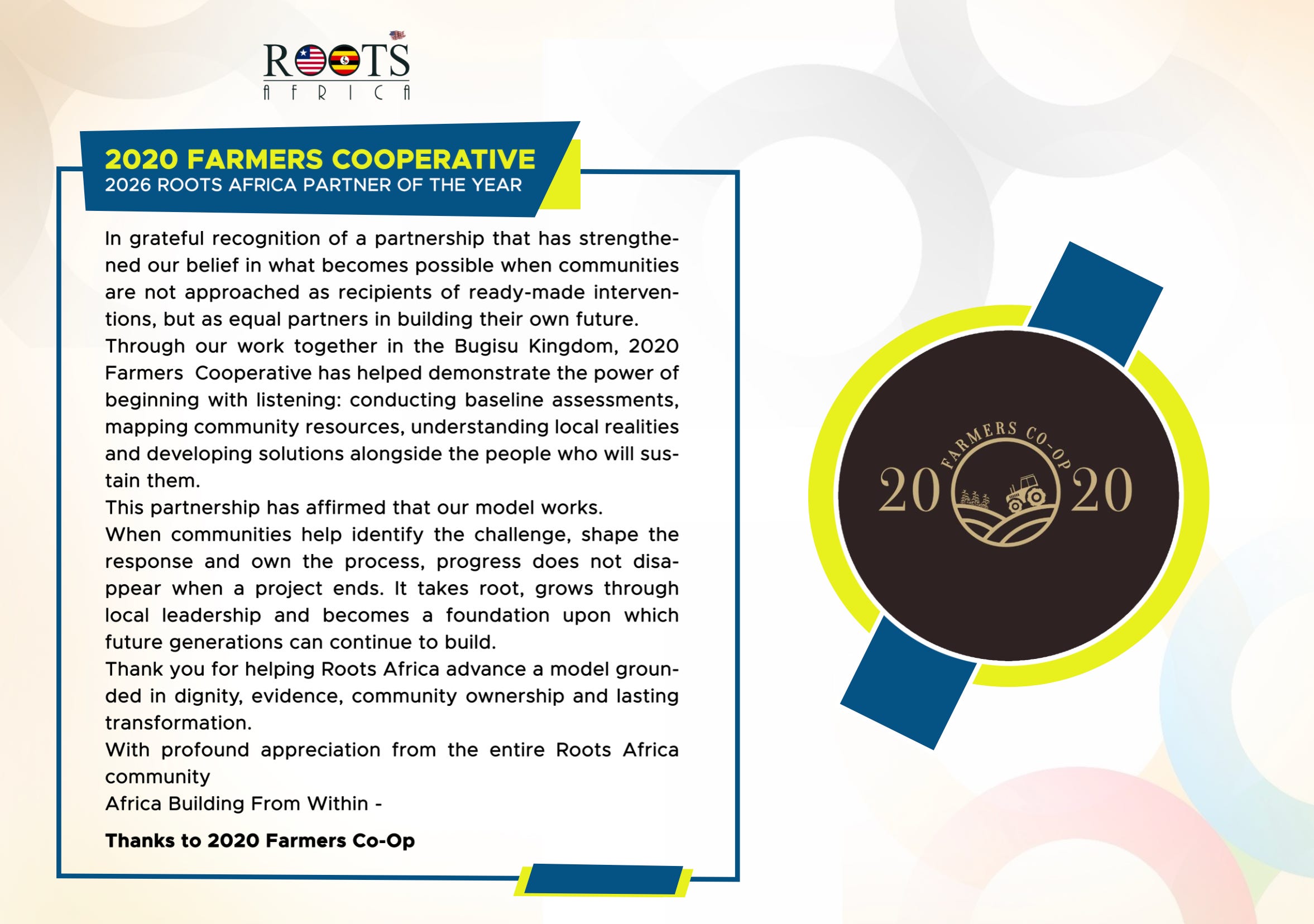
Our partnership with the 2020 Farmers Cooperative represents the other side of this story.
They have supported specific work because our missions intersect.
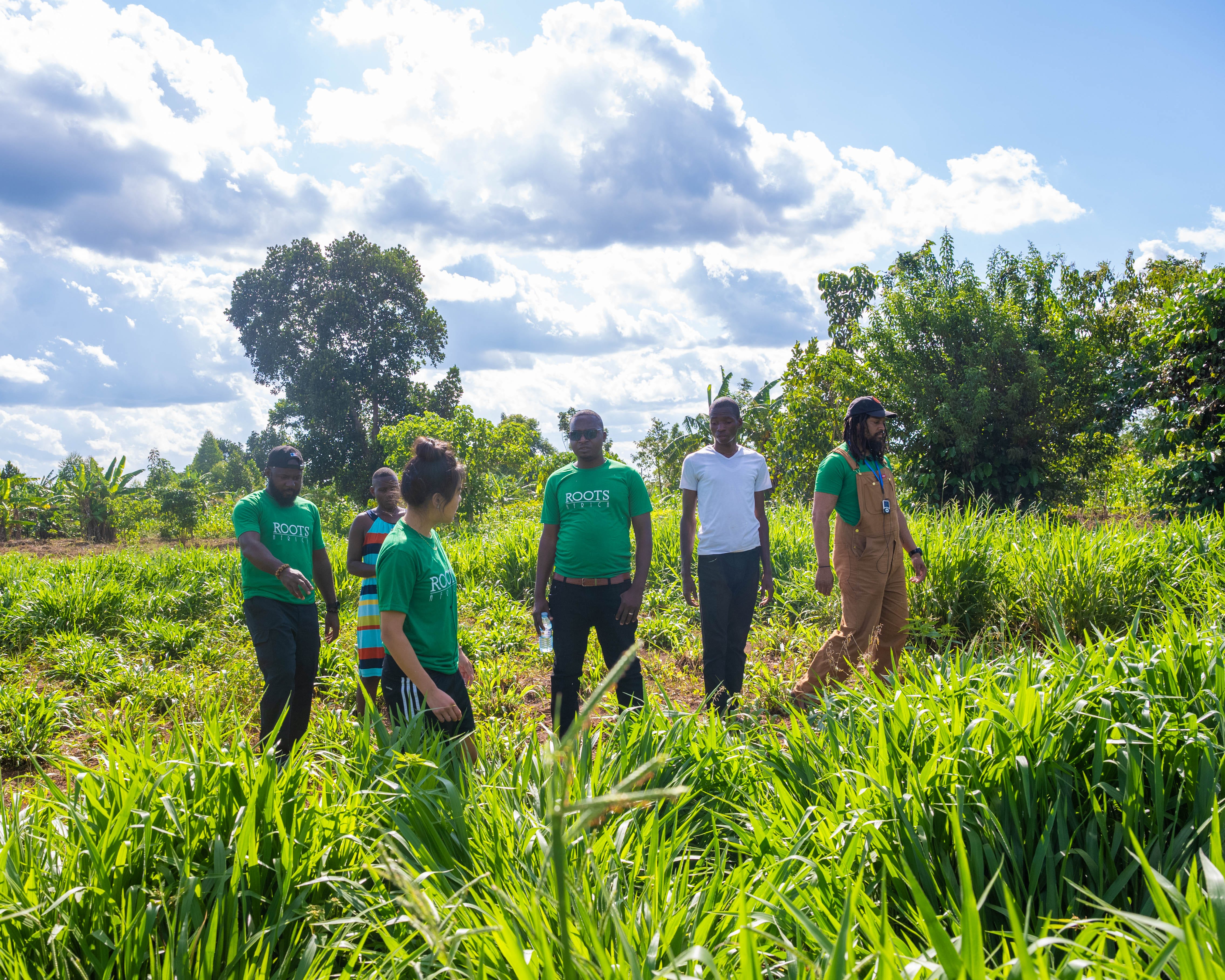
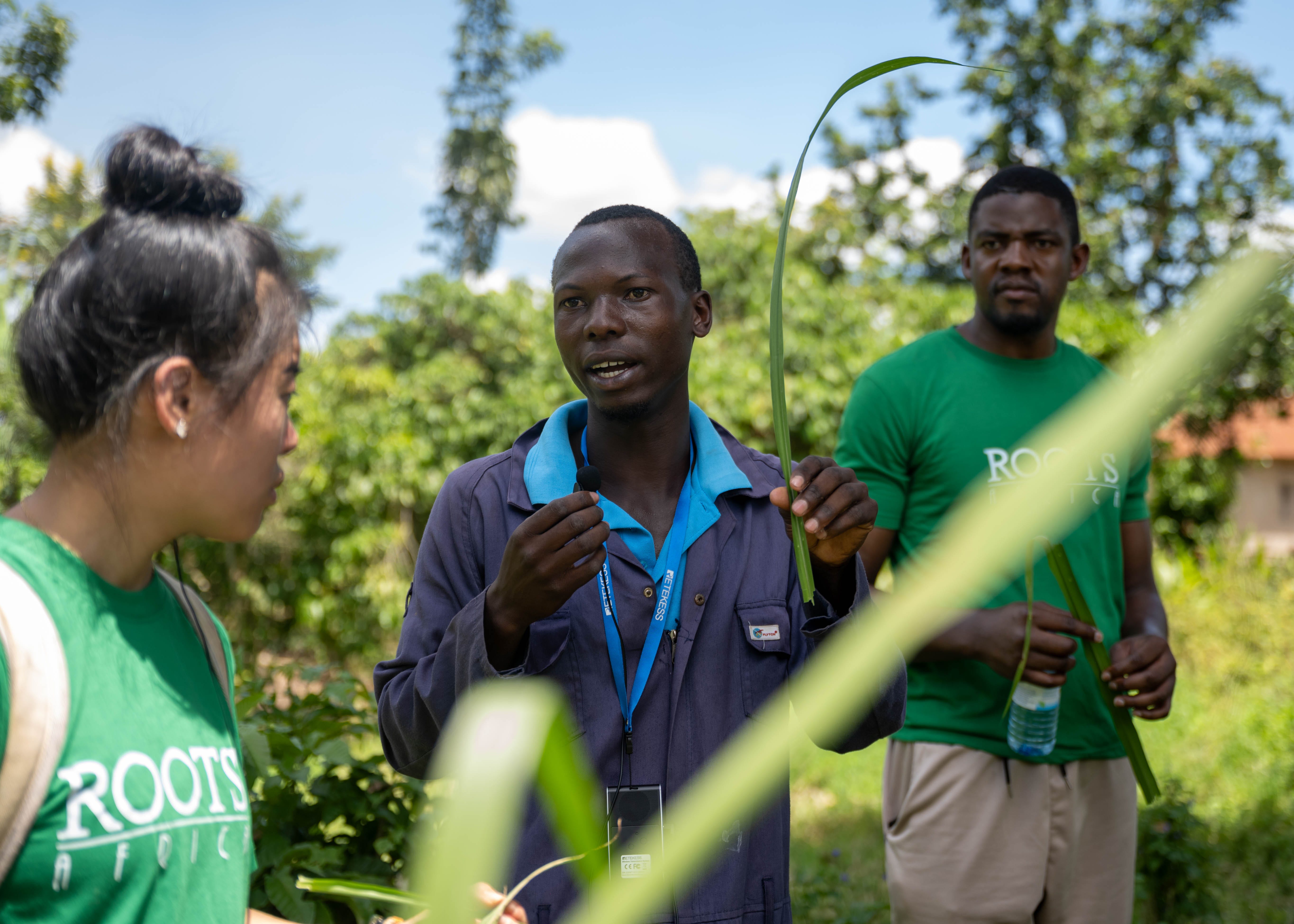
That has included funding community baseline assessments in Bugisu Kingdom, helping us understand what farming communities already have, what they need and where future interventions can be most useful.
They have also supported tools for data collection, changemaker activities and other program needs.
The important part of this relationship is not simply that one organization gave another organization money.


It is that one partner trusted Roots Africa to do work on the ground, collect evidence, report back and create information that can guide future action.
That is the kind of institutional partnership we want more of.
3. The Third Funder: The Communities Themselves
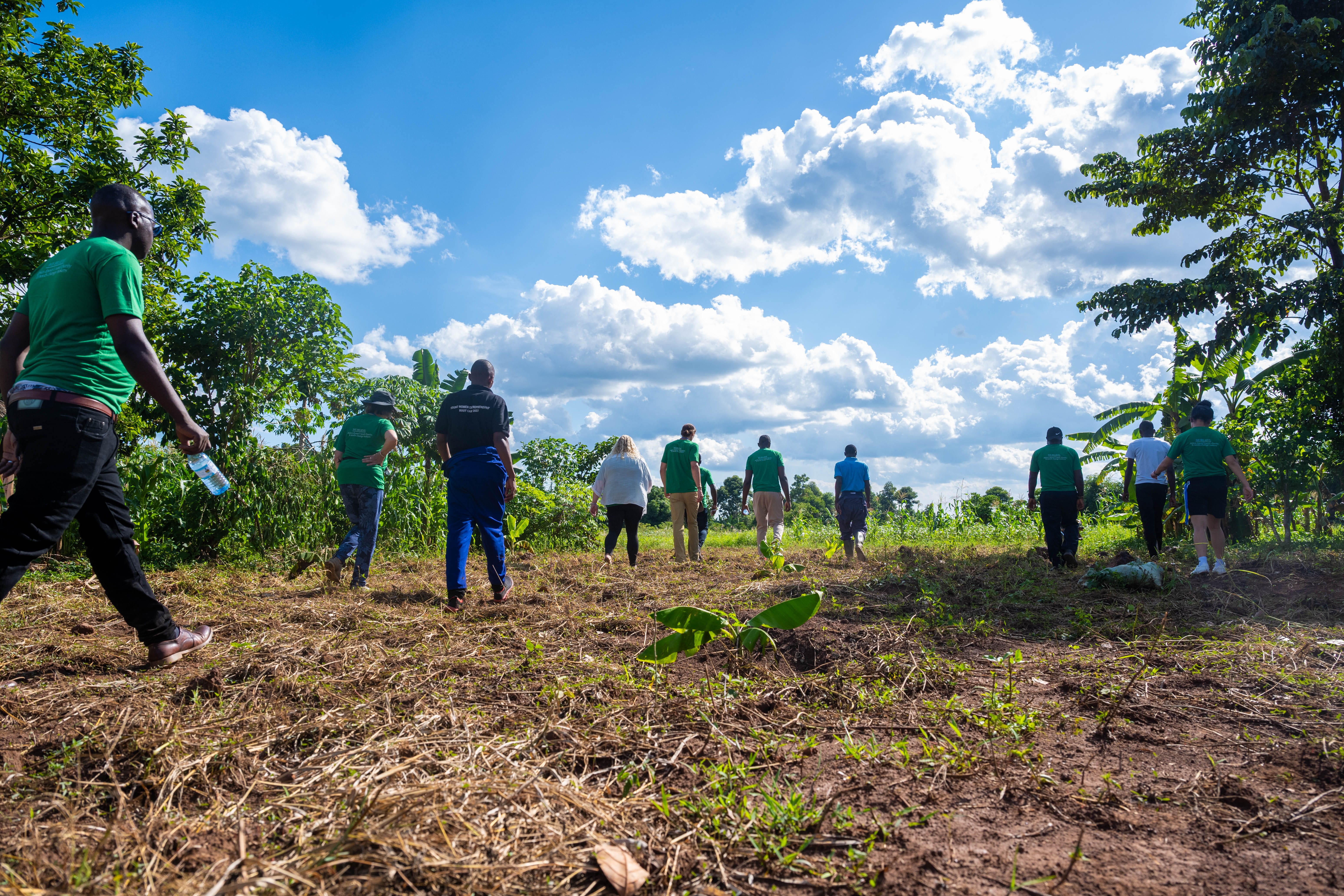
There is a third source of support we do not talk about enough: the communities we serve. Again and again, when Roots Africa brings training, equipment, seed funding, demonstration projects or other resources into a farming community, community members do not simply wait for us to provide everything. They contribute too.
Sometimes it is land. Sometimes labor. Sometimes locally available materials, transportation, meeting space, food, savings or cash. Sometimes it is simply people deciding that a project matters enough to give their time, organize themselves and make sure it succeeds.
For us, that contribution is worth far more than its monetary value.
It tells us something important: the community believes the work is worth owning.
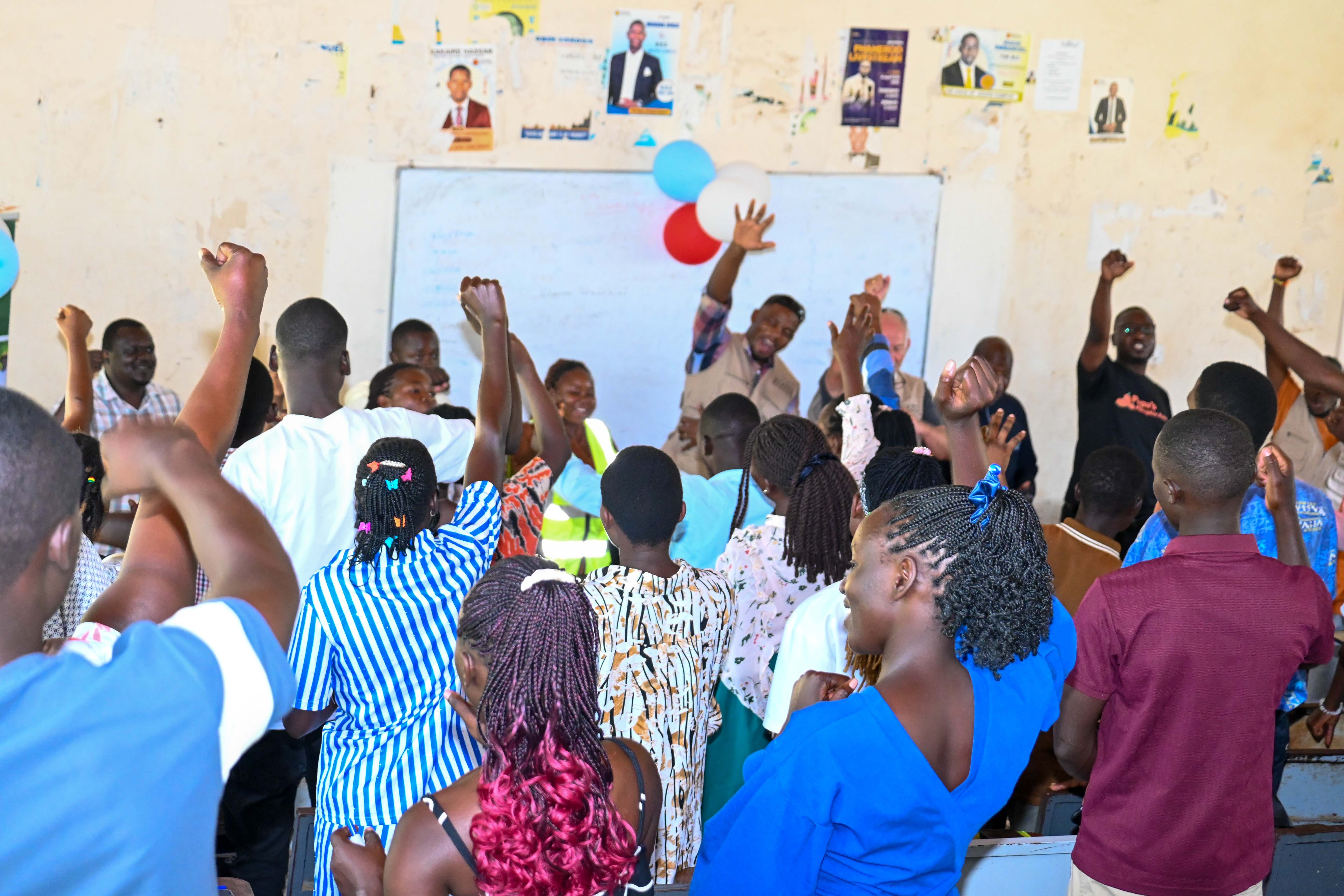
One of our favorite examples came from farmers who pooled their own resources after receiving training, purchased livestock themselves and continued growing the initiative. Nobody handed them the next stage of the project. They built it.
That is the model we want.
We do not want communities waiting for the next grant before anything can happen. We want farmers and young changemakers increasingly saying:
“This belongs to us. We know why it matters. We know what we have invested in it. And we are going to keep it going.”
Community co-investment also changes accountability. When people contribute their own land, labor, resources, knowledge or money, they participate differently. They ask harder questions. They protect what is built. They help make decisions. They adapt the intervention to local realities. And ultimately, they become less dependent on Roots Africa.
That leads us to what we call our walk-away test:
If Roots Africa walked away tomorrow, would the work continue?
When the answer becomes yes, we know something meaningful has happened.
External funding may help start the process. Mentors may bring knowledge. Institutions may provide resources and access. Roots Africa may provide structure, training and catalytic support.
But lasting transformation happens when the community eventually owns the process end to end.
That is why our funding model is not simply donor → organization → community.
It is a partnership:
Individuals invest.
Institutions invest.
Communities invest.
And everyone builds together.
That is what Africa Building From Within means to us.
What could partnership with Roots Africa look like?
If you are a company, foundation, university, development organization, professional association or philanthropic institution, there are many ways to build with us.
You could:
Fund a specific project.
Support a farmer baseline, youth training cohort, enterprise, community assessment or demonstration project.Make Roots Africa one of your corporate or philanthropic partners.
If your organization has a CSR, community-investment, employee-giving or charitable-partnership program, we would love to explore becoming one of the organizations you support consistently.Let us implement with you.
If your organization wants to support agricultural communities or young people in Uganda or Liberia but does not have teams on the ground, Roots Africa can help design, implement, monitor and report on locally led interventions.Invest expertise instead of cash.
Our changemakers need access to manufacturing, food processing, quality assurance, supply chains, agribusiness, finance, research, technology and market expertise.Let a young entrepreneur shadow your team.
Help one venture develop its SOPs.
Help another meet quality standards.
Introduce one product to a buyer.
That is investment too.
And then there is the opportunity we are most excited about.
We want young Africans to have access to the best knowledge and experiences available anywhere in the world, without that knowledge permanently leaving Africa with them.
We call the idea:
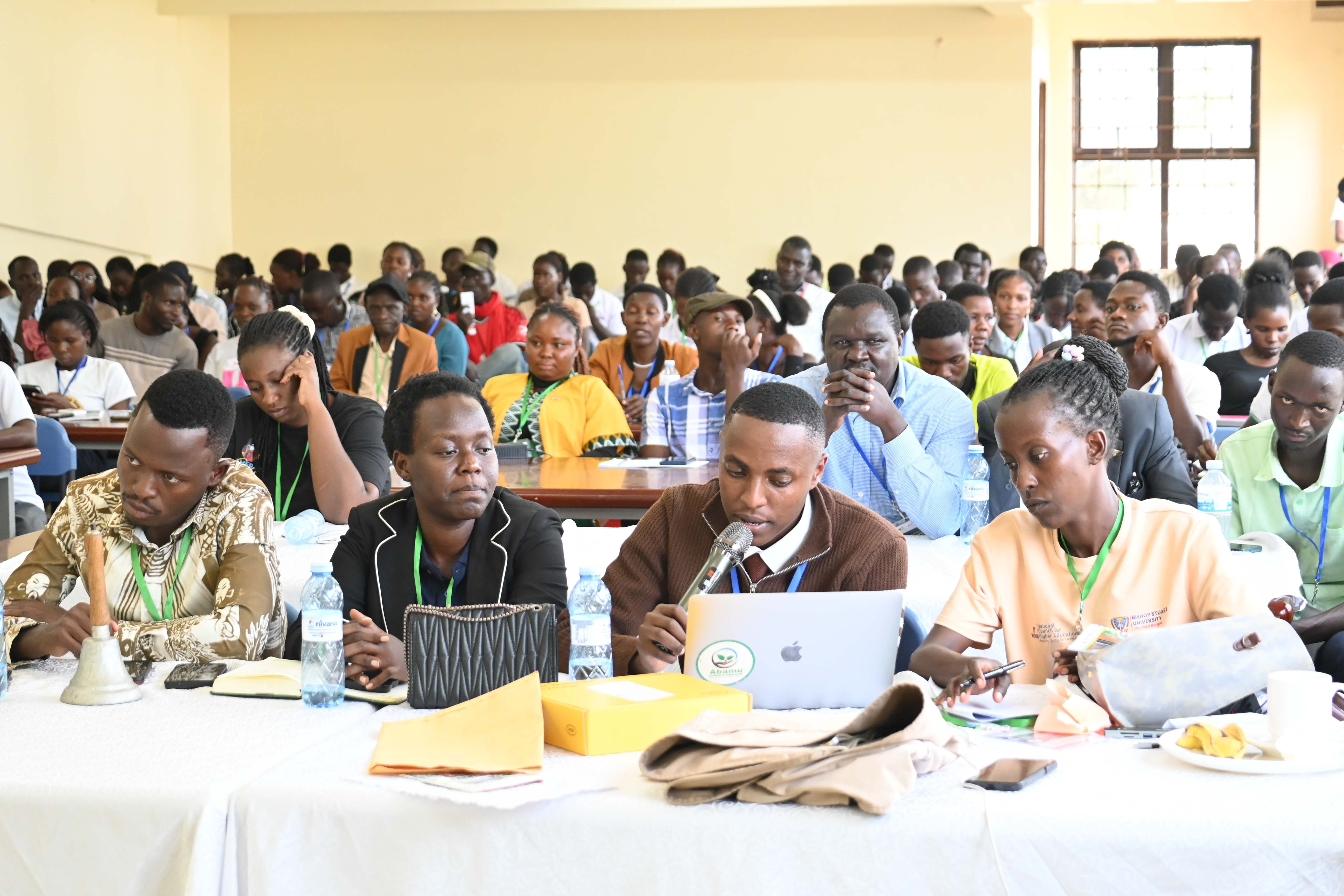
Learn. Return. Build.
Imagine a young Ugandan food entrepreneur spending several weeks learning inside a world-class production facility.
Or a Liberian agriculture professional receiving advanced training in coffee processing, logistics or supply-chain management.
Or a changemaker working alongside researchers, manufacturers or agribusiness professionals in the United States.
Then they return home.
They implement what they learned.
They strengthen their enterprise.
They train other young people.
They work with farmers.
And one opportunity becomes knowledge that multiplies through an entire community.
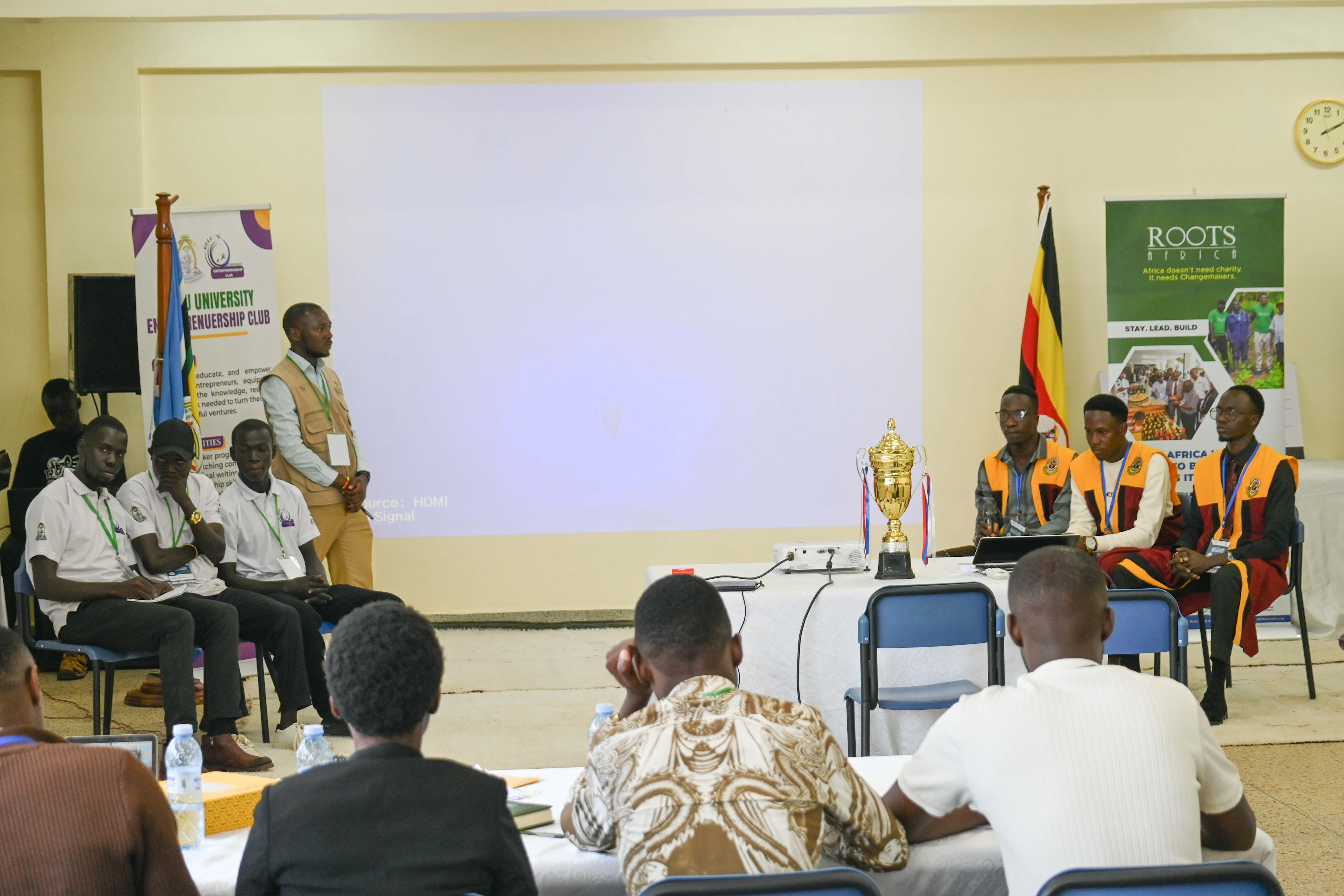
This kind of exchange-and-return approach already resonates with major international leadership and fellowship ecosystems. The Mandela Washington Fellowship, administered by IREX for the U.S. Department of State, has connected thousands of young African leaders to U.S.-based leadership and professional development, while its Reciprocal Exchange model supports partnerships that extend collaboration into African communities.
That is exactly the kind of partnership architecture Roots Africa wants to help expand.
We are looking for our next Daves.
And our next institutional partners.
People who will say:
“I believe in these young people enough to stay with them.”
Companies that will say:
“Add Roots Africa to the organizations we support every year.”
Foundations that will say:
“Here is a challenge. Help us understand it and build something with the community.”
Universities that will say:
“Our students and faculty have knowledge. Let us help move it beyond the classroom.”
Businesses that will say:
“Bring your changemakers into our company. Let them learn.”
And investors who will say:
“This young African entrepreneur has something. Let us help them scale it.”

Because the future we are working toward is not one where Africa waits to be rescued.
It is one where young Africans have the knowledge, capital, networks and confidence to stay, lead and build.
Where farming communities increase their incomes.
Where ideas become enterprises.
Where local products become global products.
Where Africans move from consuming more of what the world makes to producing more of what the world needs.
Dave and the 2020 Farmers Cooperative represent two ways people have already chosen to stand with us. There is room for many more.
There Is A Place For You In This Model. Build with us.
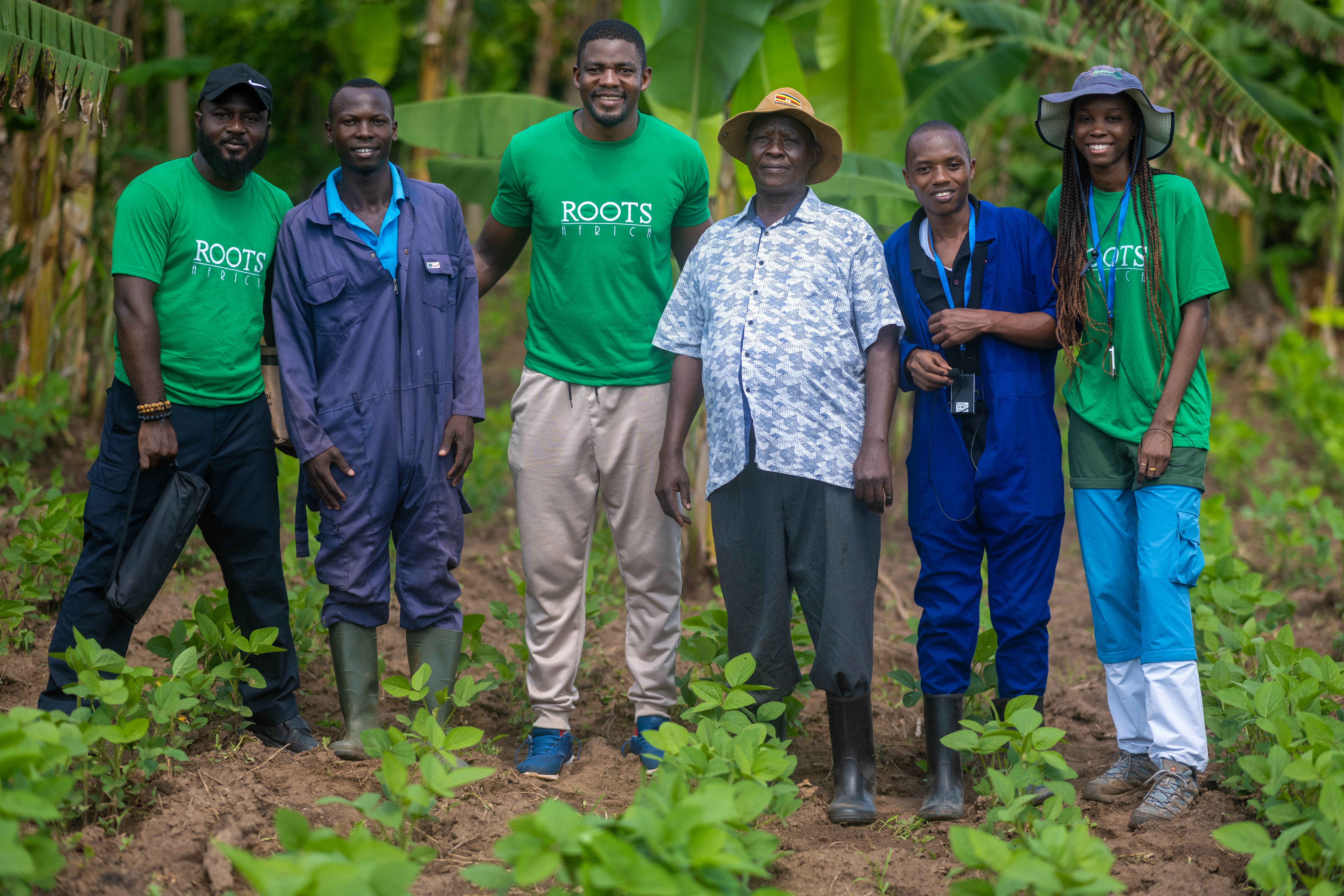
Whether you are an individual who can give $25 a month, a mentor willing to share your expertise, a company looking for a credible African nonprofit partner, a foundation seeking locally rooted implementation capacity, or an institution looking for a partner to deliver your social-impact or corporate-responsibility commitments, there is a place for you in this work.
The most important thing is not the size of the contribution. It is joining a model in which the people closest to the challenge are already investing in the solution.
📧 info@roots-africa.org
📞 +1 (240) 350-2325
🌍 rootsafrica.org
📅 Meet with Cedric
Stay. Lead. Build.
Africa is building from within.
For individuals: give, mentor, teach, introduce, sponsor or simply stay involved.
For organizations: fund a project, include Roots Africa in your corporate giving, employee-giving or CSR portfolio, commission us to implement community work, provide technical expertise, host a changemaker or partner with us on a long-term program.
